

Wireless valve link products and components

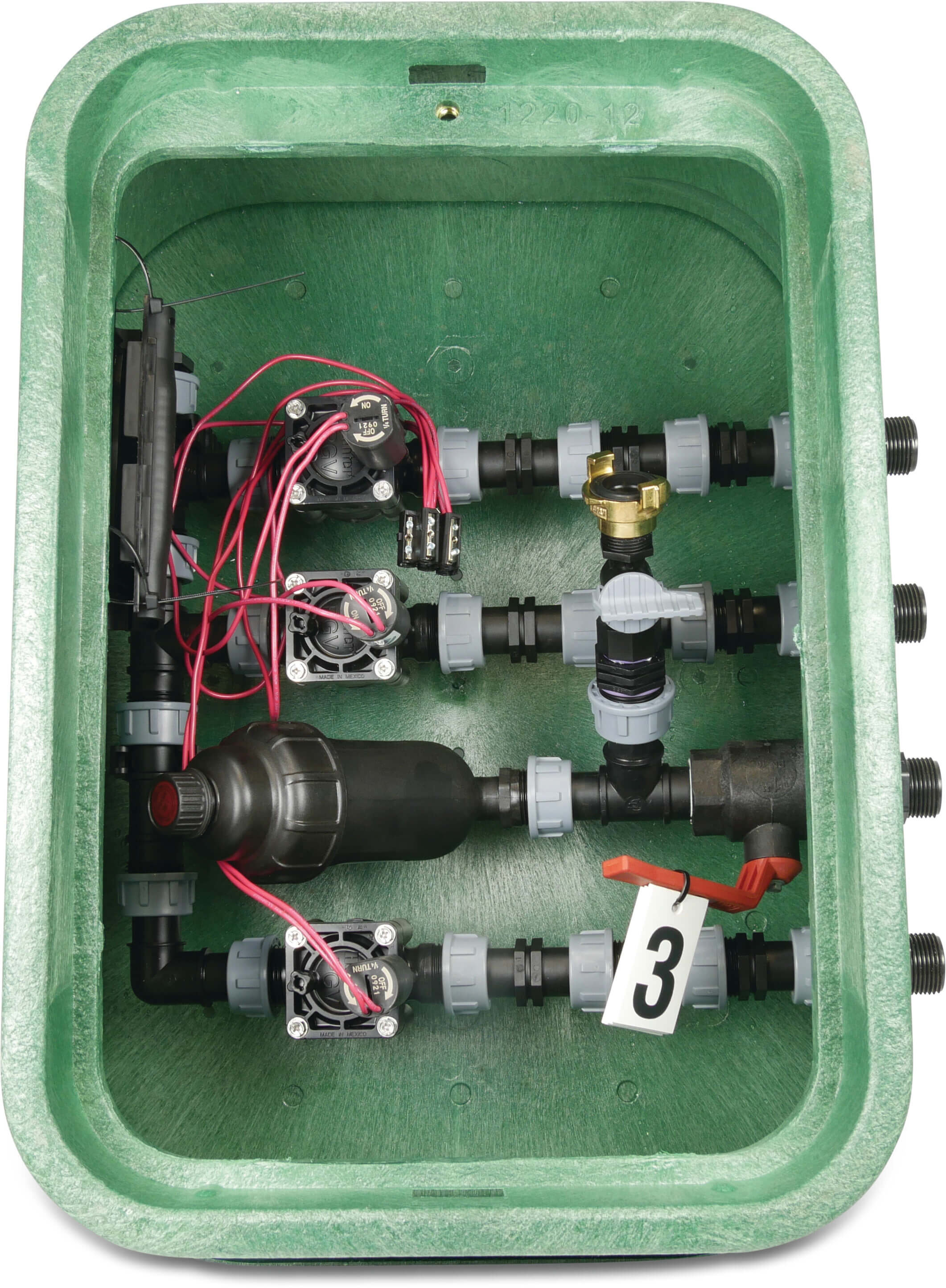
Wireless valve control for modern irrigation systems
Large irrigation installations often present planners and installers with the same problem: valves sit far from the controller, or are blocked by paths, buildings, or paved surfaces. Conventional cable installations are time-consuming, expensive, and in existing sites often barely feasible.
The Hunter wireless valve link offers an elegant solution. With this technology, valves can be reliably controlled by radio — without underground cabling and without additional trenching work.
The system connects valve boxes directly to the controller and allows existing installations to be extended flexibly. Installation becomes considerably simpler, and irrigation becomes both more modern and more efficient.
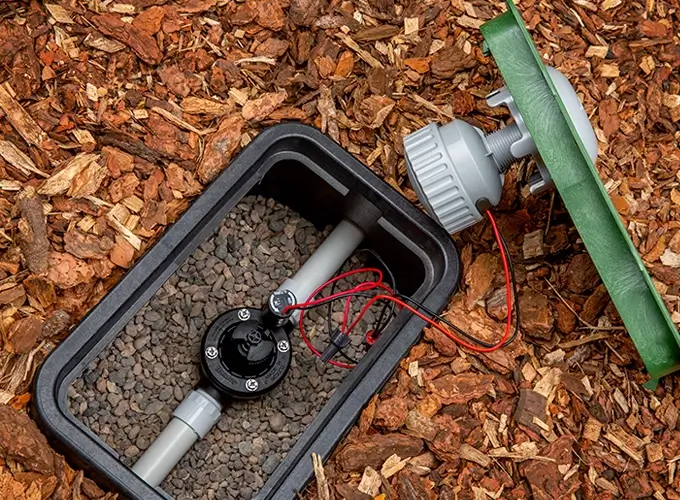
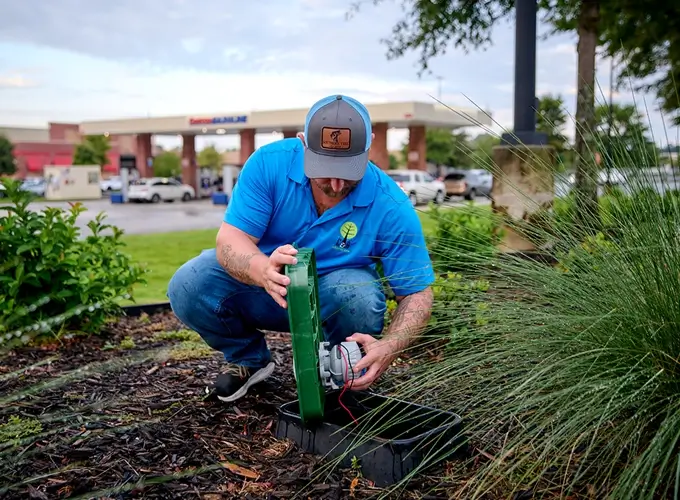
The key advantages of the wireless valve link
No field wiring required
The system works fully wirelessly between the controller and the valve box. Classic problems such as cable breaks, ageing wires, or damage caused by construction work are eliminated.
Fast installation
Because no cables need to be laid, installation time is significantly reduced. Projects can be delivered faster and existing systems extended more easily.
Long range
The radio link supports communication over several hundred metres. Even distant valve zones can be integrated without difficulty.
Ideal for retrofits
The wireless valve link is particularly attractive for existing installations. New valves can be added without tearing up existing infrastructure.
Reliable control
The system communicates continuously with the controller, ensuring valves operate exactly as planned.
More freedom in designing irrigation systems
With the wireless valve link, valves can be installed exactly where they are actually needed - regardless of whether cable routes are available.
For large green spaces, golf courses, sports facilities, and municipal projects in particular, this technology offers significant advantages. Paths do not need to be opened up, and existing surfaces remain untouched.
Communication runs over an energy-efficient radio link with long range. The system operates reliably and maintains a stable connection between controller and valves even over greater distances.
Where the Hunter WVL is used
The wireless valve link is designed for situations where running traditional wires is too expensive, difficult, or simply impossible. Below are the most common applications by sector.
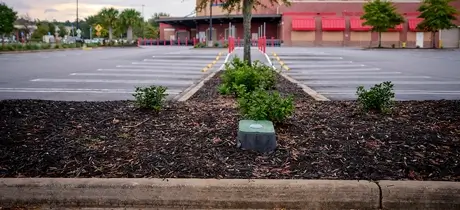
Commercial properties and business parks
Shopping centres: Automate planters and borders around buildings where wires cannot be retrofitted through concrete structures.
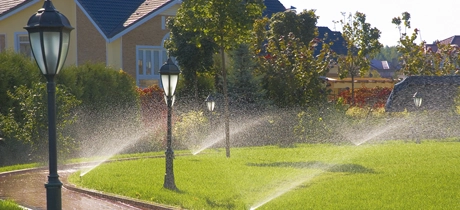
Public green spaces and infrastructure
Roundabouts and medians: Control valves safely from the side of the road to the central median, avoiding road closures for trenching.
Parks and recreational areas: Bridge long distances over walking paths, bike lanes, or water features such as ponds and ditches, where laying cables is complex.
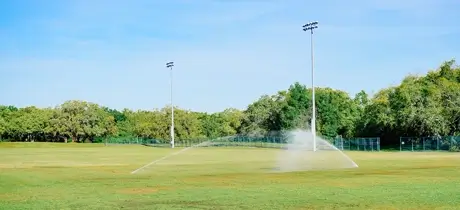
Sports fields
Adding practice pitches and warm-up zones: Extend an existing Hunter ICC2 or HCC controller to cover new training areas or auxiliary pitches, without trenching across the main playing surface.
Cable break repairs: Quickly restore zones when mowers, aeration, or pitch renovation work have severed the original ground cable.
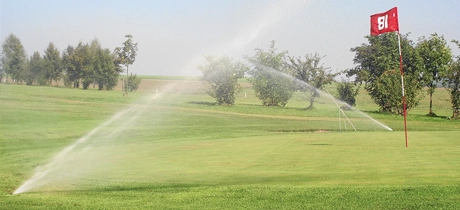
Golf courses
Course extensions and new holes: Bring additional fairways, tees, or practice areas online without trenching across existing fairways and greens.
Bridging long distances: Connect remote tee boxes, driving ranges, or short-game areas where running cable across the course is impractical.
Fast cable break recovery: Replace damaged in-ground wiring without disrupting play or scarring maintained turf.
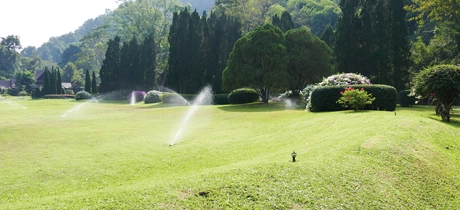
Residential landscapes and large gardens
Established gardens: Automate a new plant bed in a mature, pristine landscape without tearing up lawns or existing paving.
Historical sites: Install irrigation in areas with sensitive soils or protected root systems of mature trees, where digging is strictly prohibited.
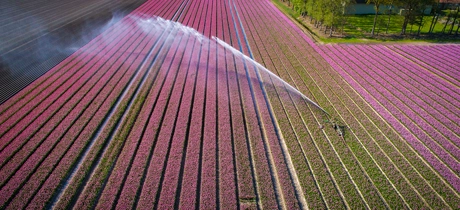
High-lightning areas
Isolated zones: Because there is no copper wire between the valve box and the controller, the WVL acts as a natural barrier against lightning strikes. This prevents a strike at the valve from travelling down the wire and destroying the indoor controller.
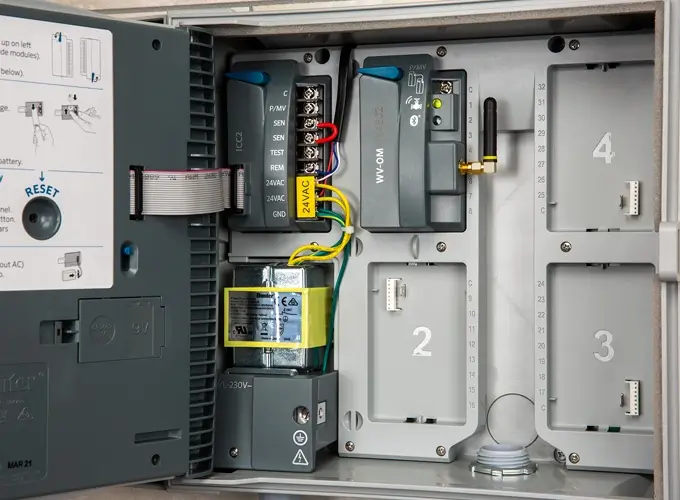
System components at a glance
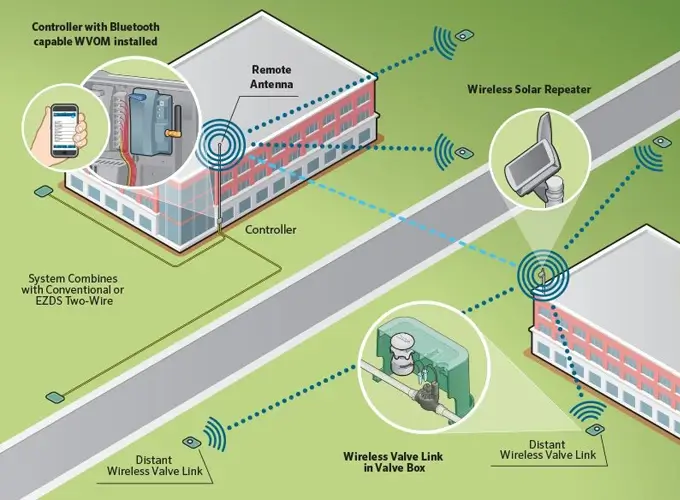
A wireless valve link system consists of several components that work together to provide stable and flexible control:
- Valve modules for installation in the valve box
- A communication module inside the controller
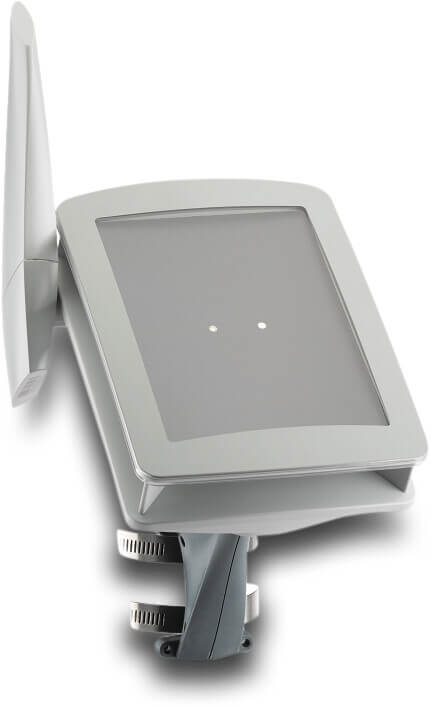
- Optional repeaters to extend range
- A mobile app for setup and diagnostics
Together, these components enable reliable wireless control of irrigation valves.
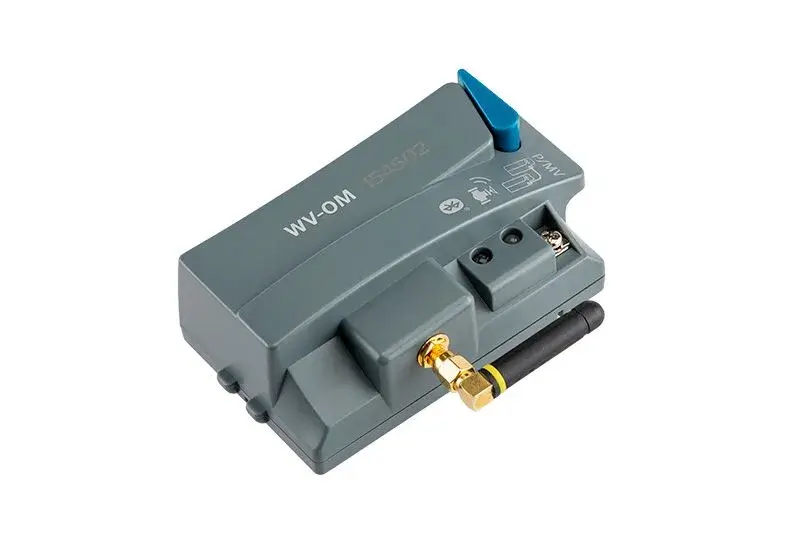
The wireless valve output module
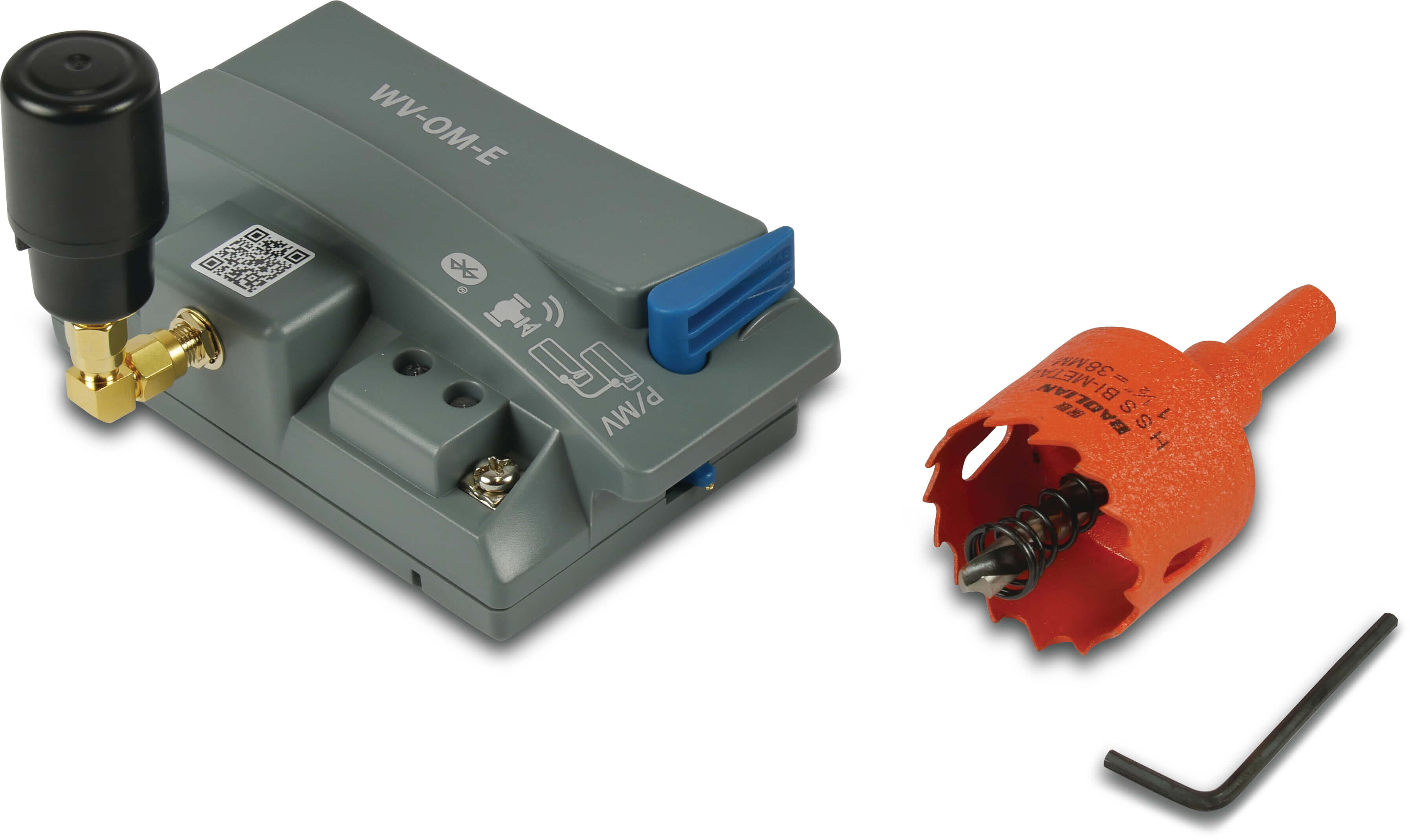
The wireless valve output module connects the controller to the wireless valve modules in the field. It is the central interface for radio communication and ensures that all valves can be controlled reliably.
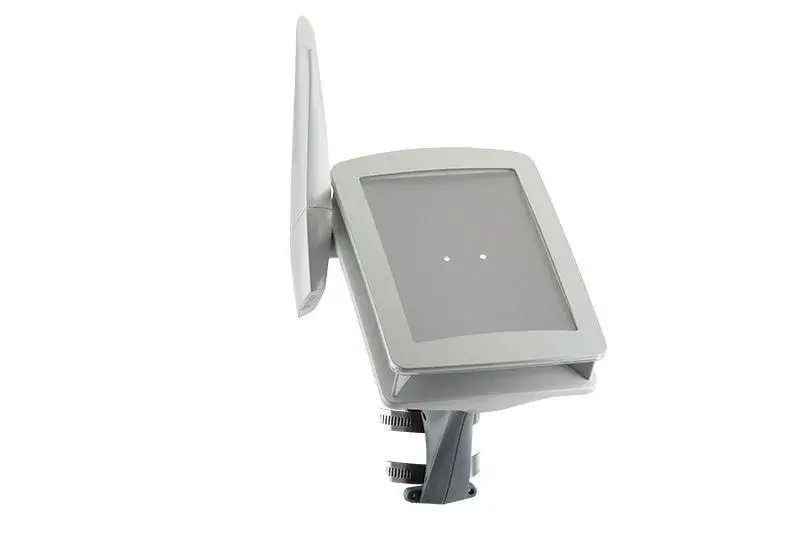
Solar repeater for larger sites
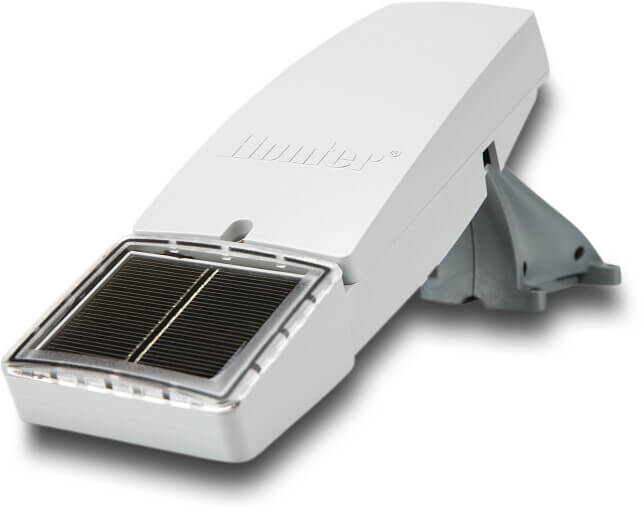
The solar-powered repeater extends the radio range of the Wireless Valve Link system and enables communication over greater distances. Even far-flung valve zones can be reliably integrated into the irrigation system.
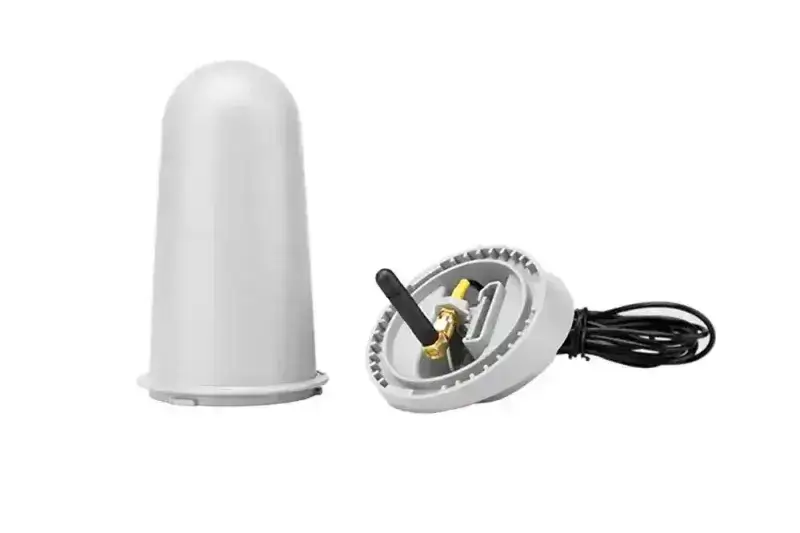
Antenna extension for greater range
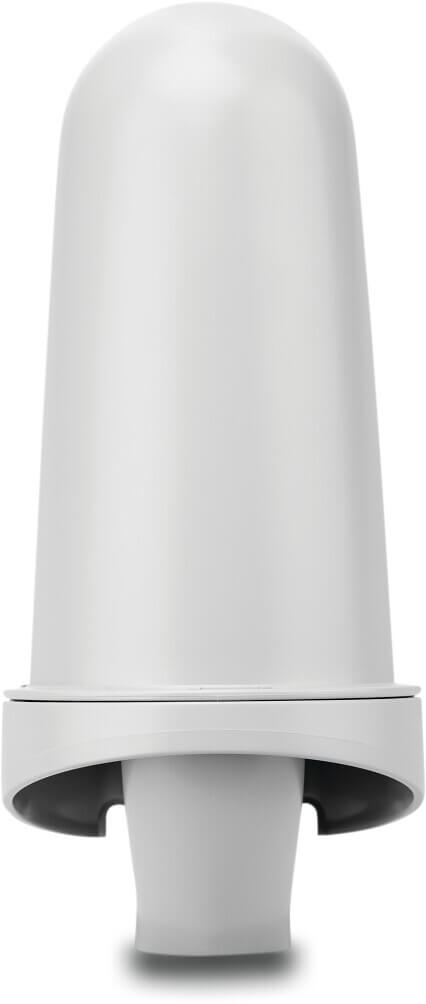
The antenna extension kit improves the system's radio range and signal quality. For large sites or challenging installation conditions, the external antenna provides a more stable connection.